Blog
A Calédon Manifesto on Food, Soil, and the Future
There is something deeply revealing about the fact that food today must be labeled as organic, chemical-free, residue-free, or natural.
The very existence of these labels tells a larger story.
A story about how far modern food systems have drifted from what food was always meant to be.
For most of human history, food required no special certification to prove its purity. Farmers cultivated crops using the resources provided by nature itself. Communities ate food that came directly from living soils, seasonal rhythms, and local ecosystems.
Natural food was not a niche.
It was the norm.
Today, the opposite is true.
We have reached a point where food grown in harmony with nature must identify itself as different, while chemically intensive production has become the accepted standard.
Perhaps that is the real paradox of our age.
When Appearance Becomes More Important Than Nature
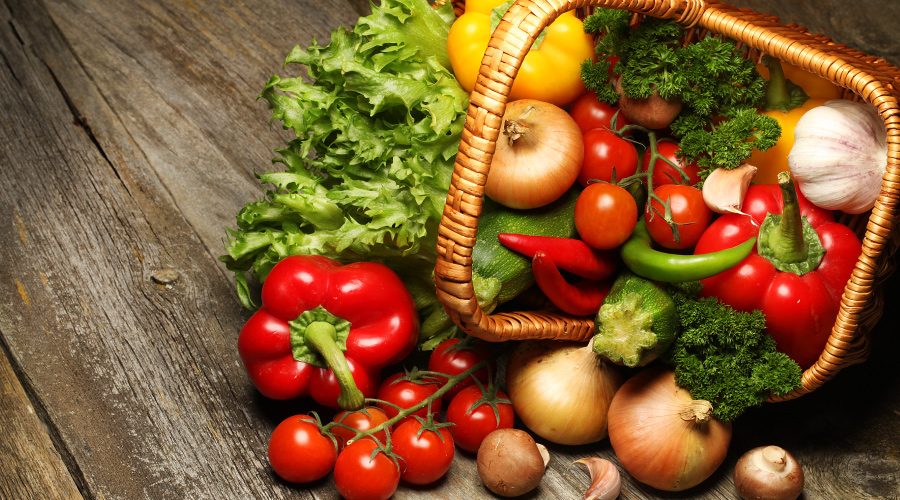
Walk through any modern marketplace and you will find fruits and vegetables that appear almost flawless.
Uniform tomatoes. Perfectly shaped apples. Bright yellow bananas. Vegetables without blemishes, scars, or signs of insect activity.
We have become accustomed to equating perfection with quality.
Yet nature rarely produces perfection.
Nature produces diversity.
A fruit may vary in size. A vegetable may carry the marks of weather, soil, season, or even a passing insect.
These are not flaws.
They are signs of life.
A living ecosystem is dynamic, complex, and beautifully imperfect.
When we demand absolute uniformity from nature, we often require agriculture to compensate through increasing levels of intervention—more inputs, more control, more chemicals, and more separation from natural ecological processes.
The result may look beautiful on a shelf.
But appearance alone cannot tell the full story of how food was grown.
The Hidden Cost of Cheap Food
Modern consumers are willing to pay premiums for technology, fashion, automobiles, and luxury experiences.
Yet when it comes to food—the substance that literally becomes our bodies—the first question is often:
“Can it be cheaper?”
Rarely do we ask:
- What is the long-term impact on soil health?
- How much water was required to grow this food?
- What conditions did the farmer work under?
- What legacy are we leaving for future generations?
- What happens to the nutritional integrity of food when yield becomes the only objective?
Cheap food is rarely truly cheap.
The costs do not disappear.
They are simply transferred elsewhere.
Sometimes the soil pays.
Sometimes rivers and groundwater pay.
Sometimes farmers pay through increasing dependency on external inputs.
And eventually, society pays through declining ecological resilience and rising health concerns.
The Soil Beneath Every Harvest
At Calédon, we believe every harvest begins long before a seed enters the ground.
It begins in the soil.
Healthy soil is not merely a growing medium.
It is a living ecosystem composed of microorganisms, earthworms, fungi, organic matter, minerals, moisture, and countless biological relationships that science is still discovering.
When soil is alive, food carries the story of that living system.
When soil is depleted, agriculture becomes increasingly dependent on artificial intervention.
The future of food cannot be separated from the future of soil.
Protecting one means protecting the other.
A Different Way Forward
The goal should not simply be to create another premium category of food.
The goal should be to restore a culture where food grown responsibly becomes the expectation rather than the exception.
Where consumers value nourishment over cosmetic perfection.
Where farmers are rewarded not only for yield, but for stewardship.
Where agricultural success is measured not only in tonnes harvested, but also in soil regenerated, water conserved, biodiversity protected, and communities strengthened.
This is not merely an agricultural challenge.
It is a cultural one.
A shift in how we think about food, health, and our relationship with the land.
The Calédon Promise
At Calédon, our commitment extends beyond producing food.
We are committed to nurturing living soils, supporting ecological balance, and cultivating food with respect for nature’s intelligence.
We believe food should nourish more than the body.
It should nourish the land from which it came.
It should strengthen the communities that grow it.
And it should leave future generations with healthier soils than we inherited.
Because in the end, the future of humanity is inseparable from the future of its soil.
And the food we choose today helps shape both.
Grow with nature.
Eat with awareness.
Live with responsibility.
Calédon Close to the Earth.
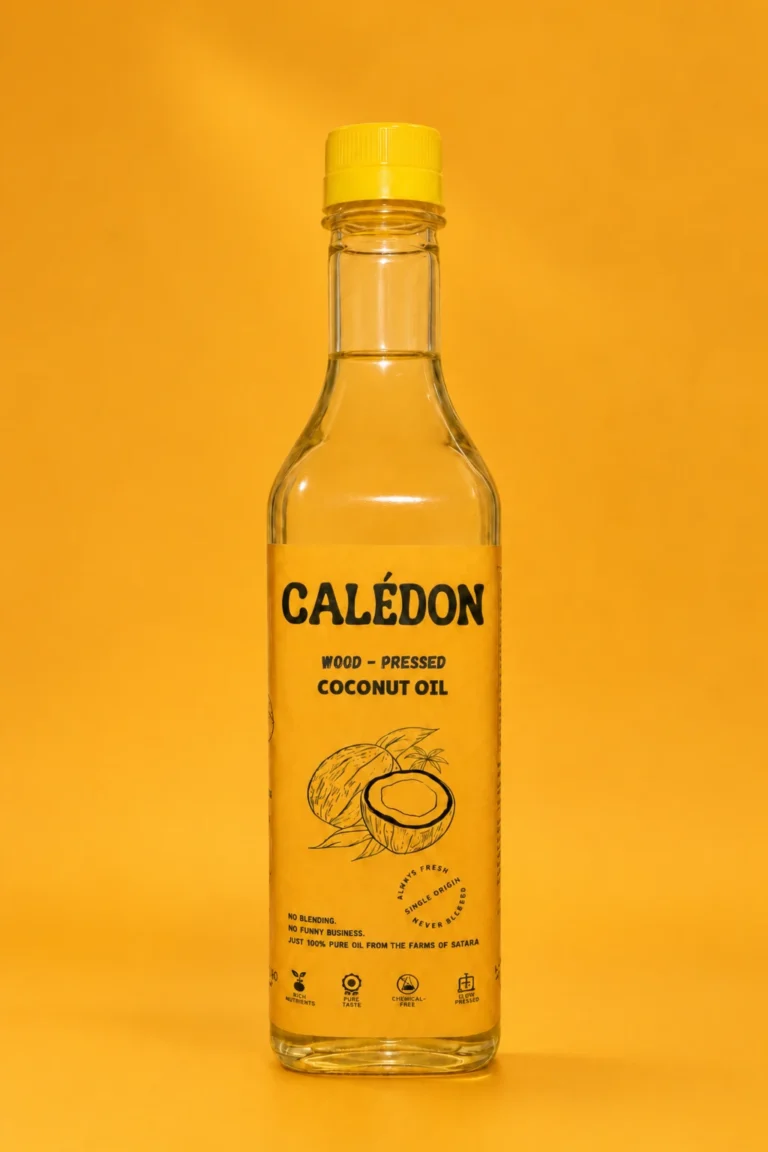
Price range: ₹420.00 through ₹1,280.00
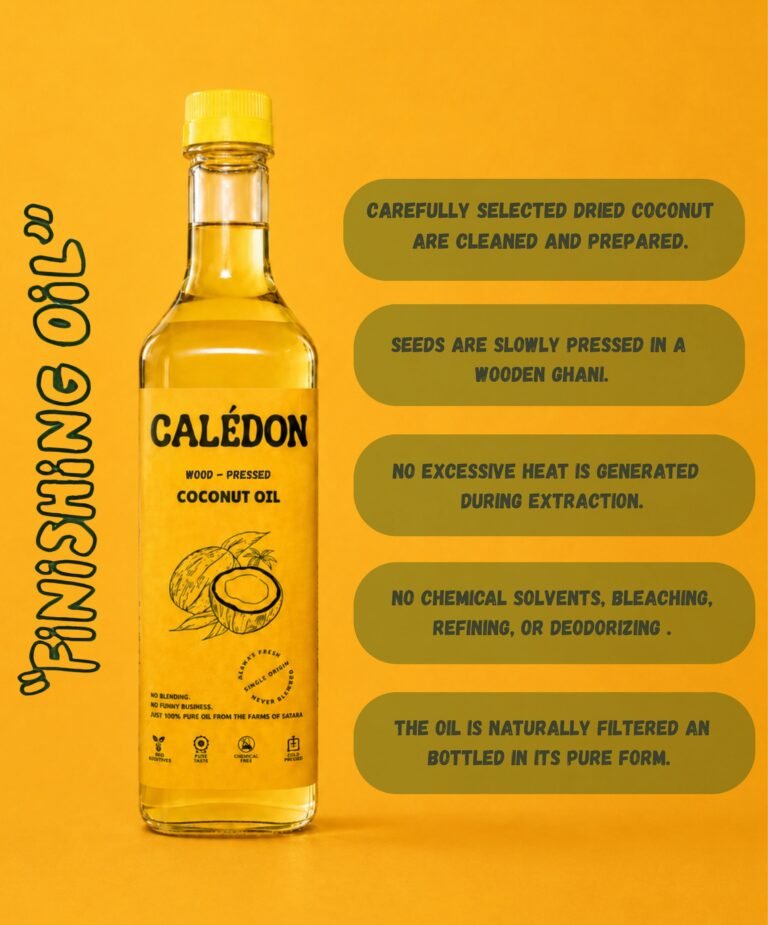
Price range: ₹420.00 through ₹1,260.00
Price range: ₹420.00 through ₹1,240.00